

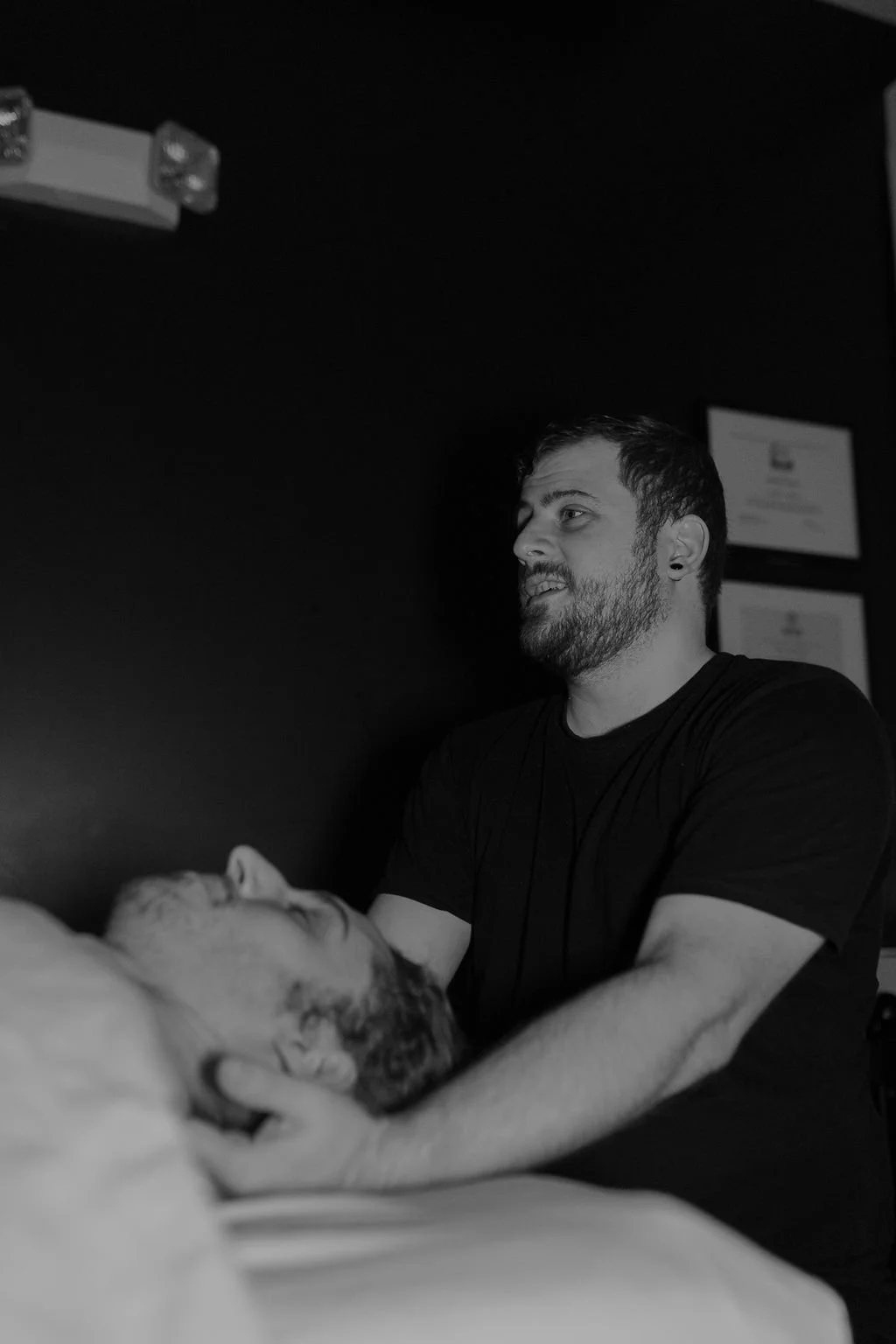
ATSI® Structural Bodywork
“Structural Integration is really a cooperative job between two people and if either person falls down on the job, it doesn’t work. The practitioner’s job is to evoke understanding and the client’s is to take responsibility. ”
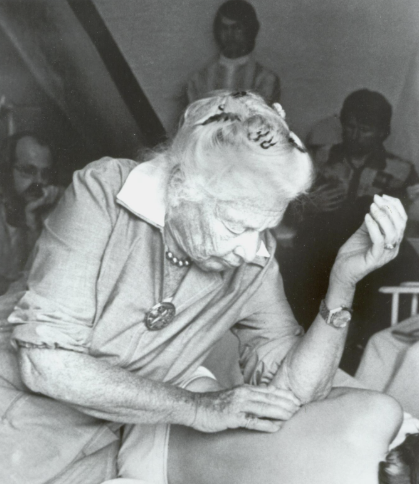

Anatomy Trains Structural Integration, or ATSI®, was developed by Tom Myers, a prolific bodyworker and manual therapy educator who worked directly with Ida Rolf and has inspired hundreds of thousands of massage therapists, physiotherapists, movement therapists, and doctors. Drawing on his fascia research, his approach views the body not as a collection of individual parts but as an adaptable, resilient, integrated system that functions best when it is aligned, balanced, and stable.
The ATSI® Structural Bodywork Three Series
The focus of ATSI® 3-series sessions is to bring greater stability, balance, and adaptability to the body. Each session focuses on a different section, or “territory” of the body. The session goals are as follows:
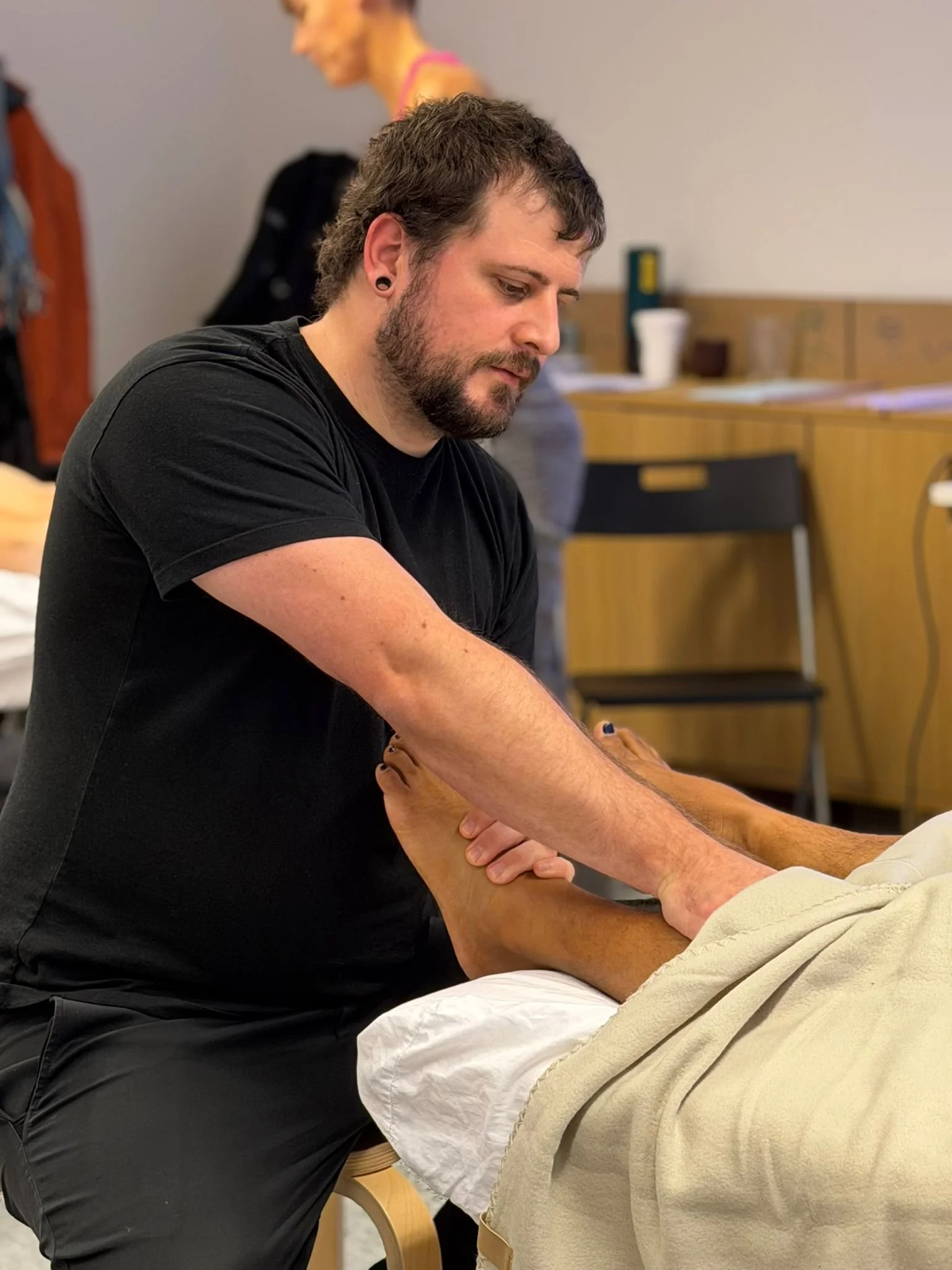
SESSION #1
Goals:
Balance the lower limb and pelvic girdle;
Enhance awareness of postural patterns;
Establish a sense of core support from below;
Find one’s feet on the ground; and
Find lift from the ground.
Territory:
From the toes to the 12th rib.
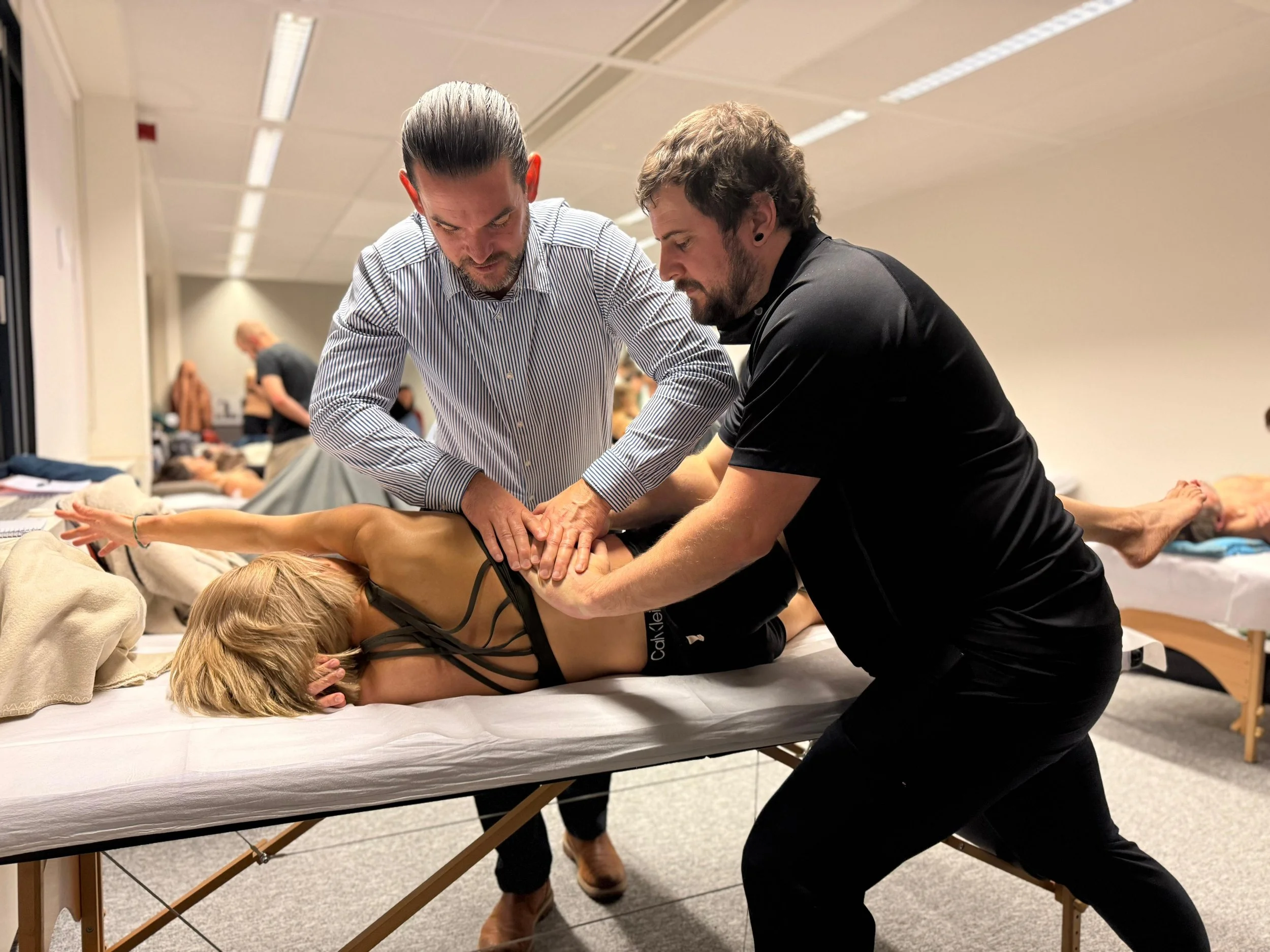
SESSION #2
Goals:
Open the breath through the ribs and abdominals;
Balance the shoulder girdle on the ribcage;
Balance the upper limbs and the shoulder girdle;
Bring ease to the shoulder girdle (aka the neck relationship); and
Enhance awareness of postural patterns.
Territory:
Abdomen, ribcage, sternum, shoulders, and arms.
SESSION #3
Goals:
Connect the two girdles via the spine;
Ease, balance, and enhance fluid movement in the spine;
Open the breath, and
Enhanced awareness of postural patterns.
Territory:
Spinal muscle, superficial and deep.
Order of each Session
The client dresses down (see the “What to wear to a session” below).
The therapist takes pictures for the client’s records: front, back, left side, and right side.
The therapist does a Bodyreading/movement test.
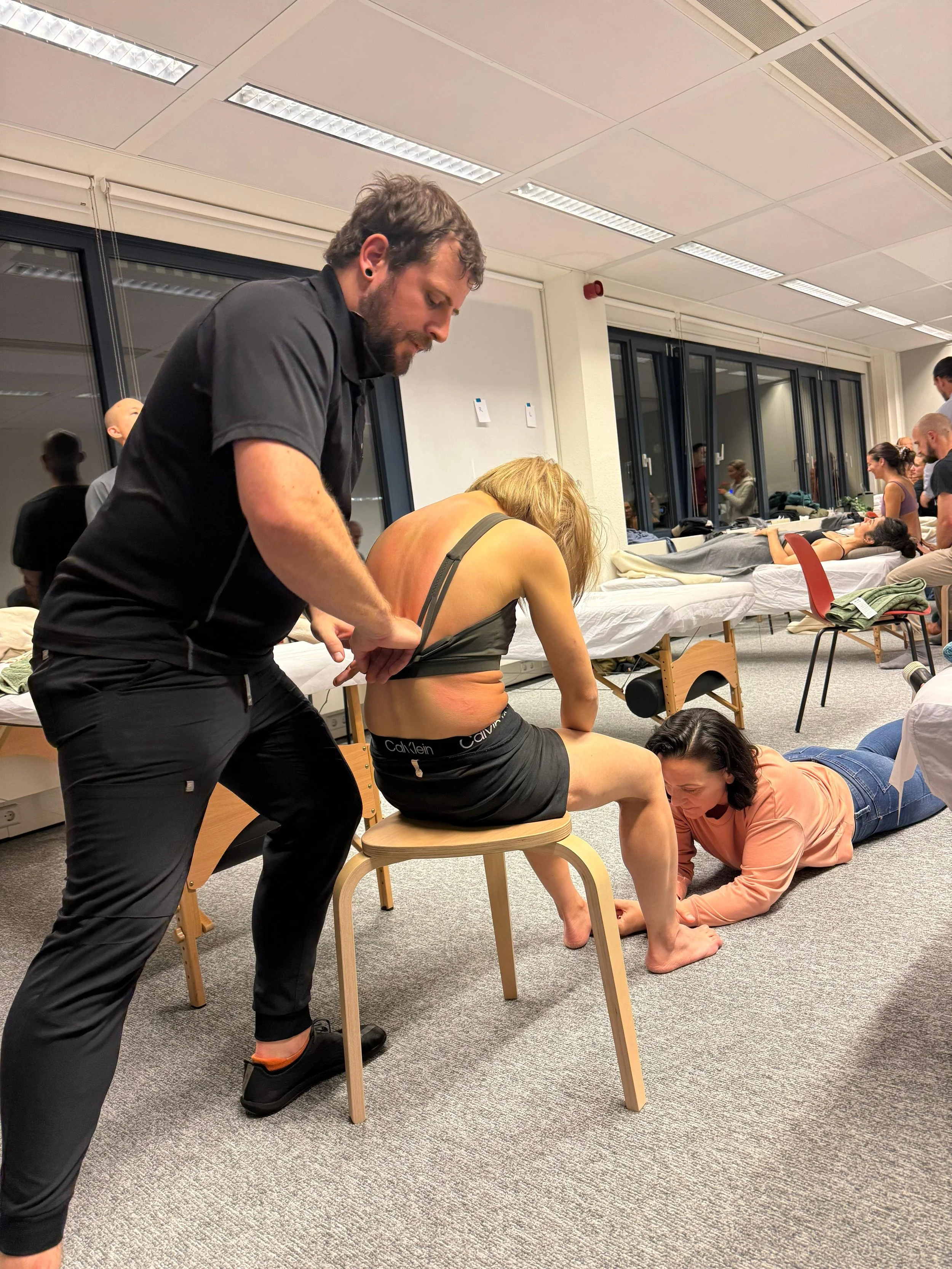
The therapist begins hands-on work, customizing it based on the results of the Bodyreading/movement test.
Periodically, the therapist will invite the client to stand up and walk around.
In the last 5–10 minutes, the therapist will end with some basic integration techniques (such as a suboccipital, sacrum lift, and back stripes)
At the end of the session, the therapist will do a final Bodyread/movement test, inviting the client to describe what they are feeling (physically, emotionally, etc.)

Common Questions
-
Generally, structural bodywork is excellent for anyone with a body, though each person will have a unique experience. For example, people who work desk jobs will have a different postural pattern than people who work in construction or the service industry. Notably, this is active work, so clients should ensure they have energy to be fully engaged to get the benefits.
There are still a few reasons why we may want to avoid or modify this work; in that case, it’s recommended you speak to a physician before booking. Those cases are as follows:
Active/acute inflammation and acute injury
Acute flare-ups of auto-immune conditions (aka Lupus, Rheumatoid Arthritis). (Non-acute phase may need physician clearance.)
Infections (local or systemic)
Contagious condition
Uncontrolled, unmedicated heart issues, recent heart attack, bypass surgery, or high blood pressure
Acute digestive issues, diarrhea, colitis, Crohn’s disease
Recent surgery, though it may vary depending on the type of surgery. (After 6 weeks, structural work is OK with a physician's clearance.)
Acute nerve impingements, loss of motor control, or distorted sensory feedback
Prenatal work is not recommended. Booking prenatal massages will be a more productive use of your time and money. However, postnatal structural bodywork (4–6 weeks post-birth) can be very valuable, though it may require physician clearance.
If you have any questions about a condition or would like to know how structural bodywork may benefit you, please email me at info@parkerloesch.com.
-
Clients are encouraged to dress down to the least amount of clothing they are comfortable with. For most people, this means shorts/board shorts or underwear—no yoga pants. This is because throughout structural bodywork sessions, the client will be asked to stand and move around the room. The therapist must also be able to observe the arms, legs, and core to assess and provide treatment.
Importantly, breast tissue must be covered. The best bra is a strapless, though a non-wired bra or a sports bra works as well. The most important thing is that straps do not cross over the spine. Some clients find they are more comfortable in a two-piece swimsuit, which works as well.
-
For an ATSI® Structural Bodywork three-series program, I recommend one session every 10-21 days until you have completed the series. Two weeks is best because it allows your body to adapt to the work we did in the previous session and provides a productive roadmap for the following sessions.
After completing the program, I recommend waiting 4-6 weeks to receive any bodywork to give you time to integrate the work we did into your day-to-day life. Overall, I recommend practicing open communication with your therapist to receive the best care after completing an ATSI® three-series.
-
Bodyreading is a central element of the ATSI® treatment, as it gives the therapist an opportunity to observe what is happening in the body, including any postural deviations and restrictions in breathing or movement.
A client’s story is communicated in how they hold their body, so a bodyreading can help the therapist understand that client’s story. When doing the bodyreading the therapist will invite the client to stand comfortably in front of them and assess what is working and what might need a little work. The bodyreading will help the therapist develop a treatment strategy and then ultimately help the client cultivate a new way of moving.
-
Pictures help a therapist develop a treatment strategy and allow the therapist and client to see progress over time.
Four to six photos will be taken at the beginning of each session and at the end of the last session.
These pictures are stored in an Electronic Health Record (EHR) system and are protected under HIPAA.
Next Steps?
Book an ATSI® Three series today by clicking the link below